
Why autumn is the key season for your garden in Ibiza
Autumn garden care in Ibiza is arguably the most important gardening work of the whole year, even though it's the time of year people least feel like heading outside. With the first rains and the mild temperatures of October and November, Mediterranean plants grow more root than at any other point on the calendar. This is really the island's spring: the moment to plant, to feed the soil, and when every bit of care pays off the most. Heading into winter with the summer irrigation schedule still running, loose stakes and bare soil is the surest way to lose plants come January.
These are the six tasks that make the difference between a garden that survives winter and comes back strong in summer, and one that struggles with the same problems every year. None of them takes more than a morning.
1. Plant now: October and November are the best months
If you're planning to add new plants, now is the time, right after the first autumn rains. A plant put in the ground now reaches next summer with its root system already established. The same plant put in during May arrives with a half-developed root and needs twice the water to survive its first summer.
Dig the hole wide, not deep, backfill with your own soil mixed with a little compost, and water it in thoroughly even if it has just rained: watering in removes air pockets around the roots, something rainfall alone doesn't guarantee.
2. Cut back irrigation, then switch it off with the rains
In October, plants need roughly a quarter of the water they used in August. With the soil already wet from rain, watering on top of that drowns roots instead of helping them.
- Cut your irrigation programme in half at the start of October.
- Once it rains consistently, switch off the automatic irrigation until spring.
- Use these weeks to clean the drip filter and replace any drippers clogged with limescale, which are easy to spot at this time of year.
More plants die in Ibiza over winter from too much water than from cold, so this adjustment matters just as much as any other autumn task.
3. Compost and mulch: the cheapest task with the biggest impact
Skip chemical fertiliser in autumn. What Ibiza's soil needs at this time of year is organic matter. Spread a two to three finger-thick layer of mature compost around each plant, keeping it away from the trunk, and top it with around five centimetres of mulch: pine bark in planting areas, gravel wherever the wind hits hardest.
Throughout winter, the rain gradually works that compost into the soil. The result shows in summer: soil that holds twice as much water and needs less irrigation through the hardest months.
4. Prune only what's necessary
In autumn, remove dead wood, broken branches and anything touching the ground, and give hedges a light trim so wind can't tear them open during the season's storms. This isn't the time for heavy pruning.
Major pruning of olive trees, oleanders and bougainvillea is saved for late winter, once the risk of cold has passed. And there's one important exception: don't prune anything that flowers in spring now, such as flowering plum, wisteria or jasmine, because doing so removes next year's blooms along with the cuttings.
5. Prepare the garden for wind and heavy rain
Before autumn storms arrive, it's worth checking several points in the garden:
- Stakes on young trees: low, with a loose tie but firmly anchored in the ground.
- Watering basins worn down over summer: rebuild them so they properly hold irrigation and rainwater.
- Drainage outlets in flower beds: keep them clear so autumn storms don't waterlog the roots.
- Gutters, drains and grates: clean them, since the water from an October storm in Ibiza ends up in the garden, and roots left underwater for a week are roots that die.
6. Don't throw away the fallen leaves
This is the quickest of the six tasks. Fallen leaves and pine needles are free mulch. Just rake them off the lawn and paths, and spread them under shrubs and trees. Over winter they protect roots from cold and wind, and by spring they'll have broken down into soil.
Autumn Garden Care in Ibiza: A Simple Task Timeline
All six tasks can be fitted into a single October weekend, but it helps to keep the order and timing in mind:
- After the first rain: plant, and cut back or switch off automatic irrigation.
- Through October and November: spread compost and mulch, and do the light pruning.
- Before the first heavy storms: check stakes, watering basins, drainage and gutters.
- Ongoing through autumn: rake leaves and reuse them as mulch.
If you'd rather leave it to a professional team, at ServiJuanito we carry out autumn garden preparation and maintenance for villas, hotels and communities across Ibiza.
When does autumn start for gardens in Ibiza?
In practical terms, the garden's autumn begins with the first significant rainfall, usually between late September and October, not with the calendar date. That's the moment to start cutting back irrigation and planting.
Can you plant in Ibiza in the middle of winter?
Yes, as long as there's no hard frost, but October and November remain the best choice because plants get more weeks of warm, moist soil to establish roots before summer arrives.
Related articles
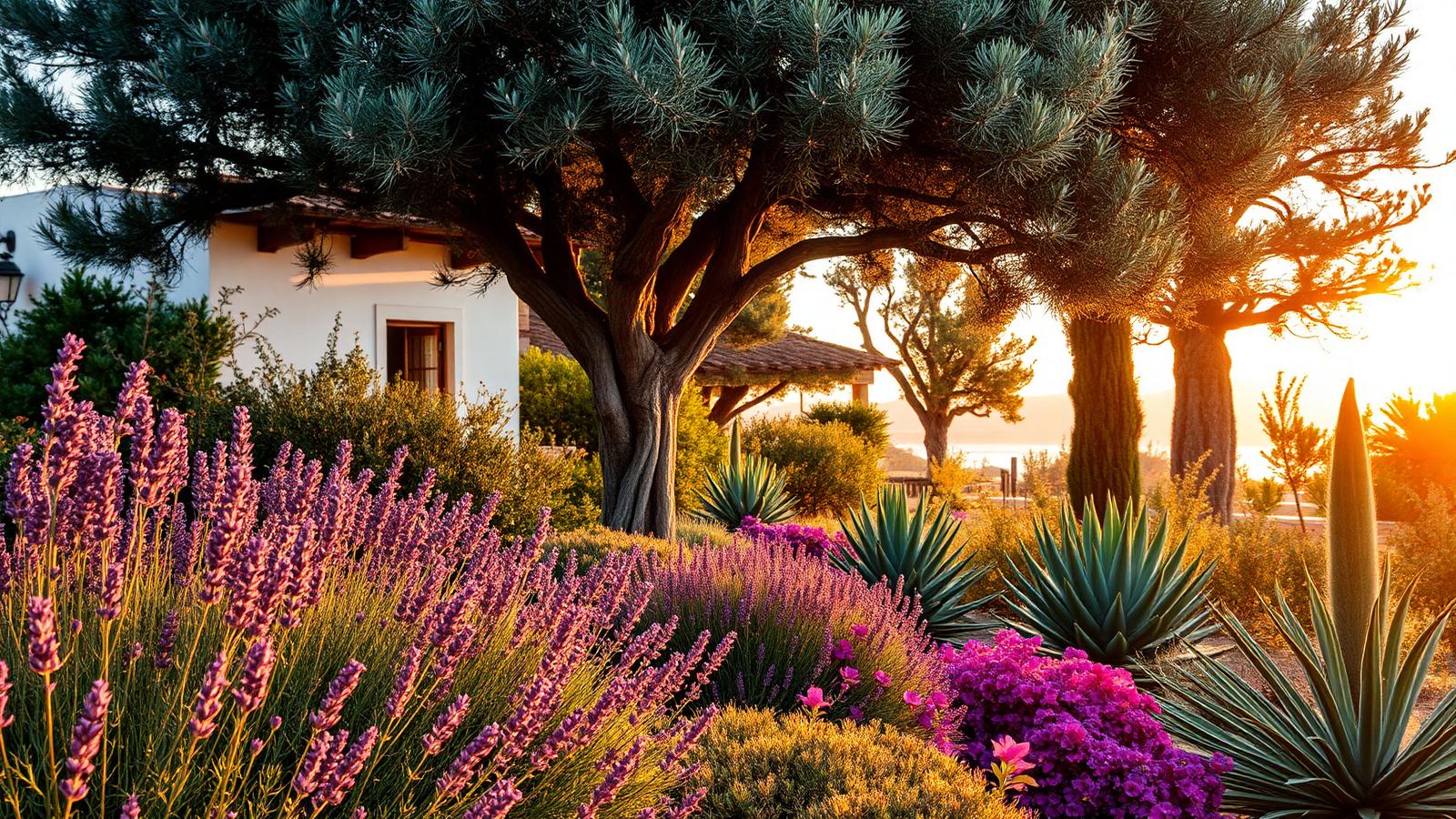
The best plants for Mediterranean gardens in Ibiza
Are you planning to create a garden in Ibiza and don't know which plants to choose? At ServiJuanito, with more than 20 years creating gardens throughout the island, we share our definitive guide to plants that best adapt to the Ibizan Mediterranean climate.
Read more
Summer garden maintenance: Tips for Ibiza
Summer in Ibiza can be challenging for our gardens. With temperatures exceeding 35°C and scarce rainfall, it's essential to know the correct maintenance techniques. At ServiJuanito, after 20 years caring for gardens throughout the island, we share our professional secrets.
Read more
The best native plants for your Ibizan garden
Discover which local flora species are ideal for creating a sustainable garden adapted to the Mediterranean climate that requires less water and maintenance. Native plants are not only more resistant to local conditions, but also promote local biodiversity.
Read more