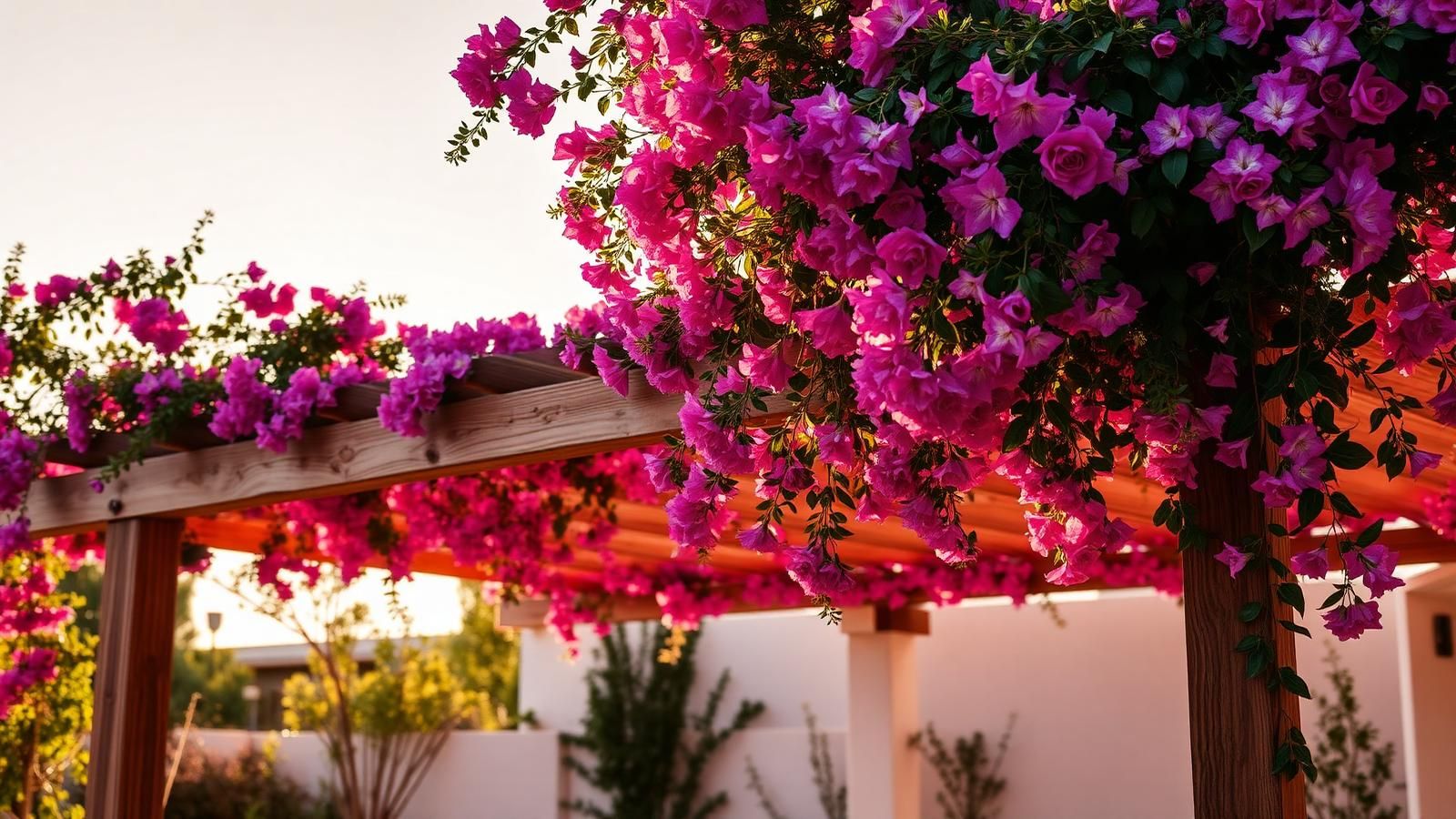
Why choose climbing plants for pergolas in Ibiza
Climbing plants for pergolas in Ibiza are one of the most rewarding ways to bring shade, colour and character to villa, hotel and community gardens across the island. Because they cover vertical structures quickly, they are perfect allies for the Mediterranean climate, where the intense summer sun makes shaded corners essential without sacrificing style.
At ServiJuanito we have been designing and maintaining gardens in Ibiza since 2003, and we know that choosing the right climbing species makes the difference between a pergola that thrives all year and one that barely gets covered.
The best climbing plants for pergolas in Ibiza
Not every climber copes equally well with sun, wind and limited water on the island. These are the species that adapt best to Ibiza gardens:
- Bougainvillea: the undisputed queen of Ibiza pergolas, drought resistant and covered in magenta, orange or white blooms for much of the year.
- Jasmine: brings an unmistakable scent to summer evenings and copes well with partial shade near pools and terraces.
- Virginia creeper: fast growing, with a spectacular colour change in autumn, ideal for pergolas that need dense shade quickly.
- Trumpet vine: showy tubular flowers and good wind resistance, an important factor in coastal areas of the island.
- Climbing rose: needs a bit more care but rewards with a long, decorative flowering period near entrances and façades.
Climbing plants for walls and fences in Ibiza gardens
Besides pergolas, many gardens on the island need to cover stone walls, fences or boundaries. For these vertical surfaces, ivy and star jasmine are widely used options, as they cling on their own through aerial roots or tendrils, without needing complex supports.
Bougainvillea also works very well on sunny walls, although in this case it is best to install trellis or wire mesh as a guide, since it does not attach to surfaces by itself.
Climbers for different types of gardens: villas, hotels and communities
In private villas, bougainvillea and jasmine are usually the preferred choices for poolside pergolas, since they combine colour, scent and low maintenance needs. In hotels and tourist properties, where the image needs to stay sharp throughout the season, Virginia creeper and trumpet vine offer a striking visual effect with controlled pruning.
In residential communities, where maintenance is often shared across several common areas, it is best to prioritise resilient, low-maintenance species such as bougainvillea or ivy, which tolerate occasional lapses in watering.
Basic care for climbing plants in a Mediterranean climate
Healthy growth in a climbing plant depends on simple but consistent care:
- Watering: regular watering is essential during the first two years after planting, especially in summer, until the plant develops a deep root system.
- Pruning: an annual prune after flowering helps control volume and encourages new growth.
- Soil: most Mediterranean climbers tolerate poor soil well but appreciate good drainage.
- Exposure: check whether the chosen species prefers full sun or partial shade before planting.
How to plant and train a climber on a pergola or wall
A climber's success depends not only on the species but also on how its growth is guided. When planting, it is best to place the plant a sensible distance from the structure, around 20 to 30 centimetres, and train the first shoots with stakes or string until they reach the trellis or pergola.
During the first few months, it is worth checking growth every few weeks to redirect stems where you want the plant to spread, avoiding walkways or outdoor furniture.
Professional maintenance also helps spot pest or disease problems early, which is especially important on pergolas visible from inside the house or around pool areas.
Common mistakes when choosing climbing plants
Before planting, it is worth avoiding a few common mistakes that are hard to fix later:
- Choosing a very vigorous species, such as Virginia creeper, for small spaces where it will end up invading windows or gutters.
- Not installing a proper support system from the start, which later forces drastic pruning to redirect the plant.
- Planting varieties with poor wind resistance right on the coastline, where gusts can damage tender shoots.
- Forgetting maintenance watering during the first few months, the most critical period for the plant to establish roots.
Frequently asked questions
What is the best time to plant climbers in Ibiza?
Autumn and spring are the most recommended seasons, as mild temperatures favour rooting before intense heat or cold arrives.
Do climbing plants damage walls or wooden pergolas?
Climbers with tendrils or clinging roots, such as ivy, can damage weak render, so on delicate walls it is better to use a trellis separated from the surface.
Related articles
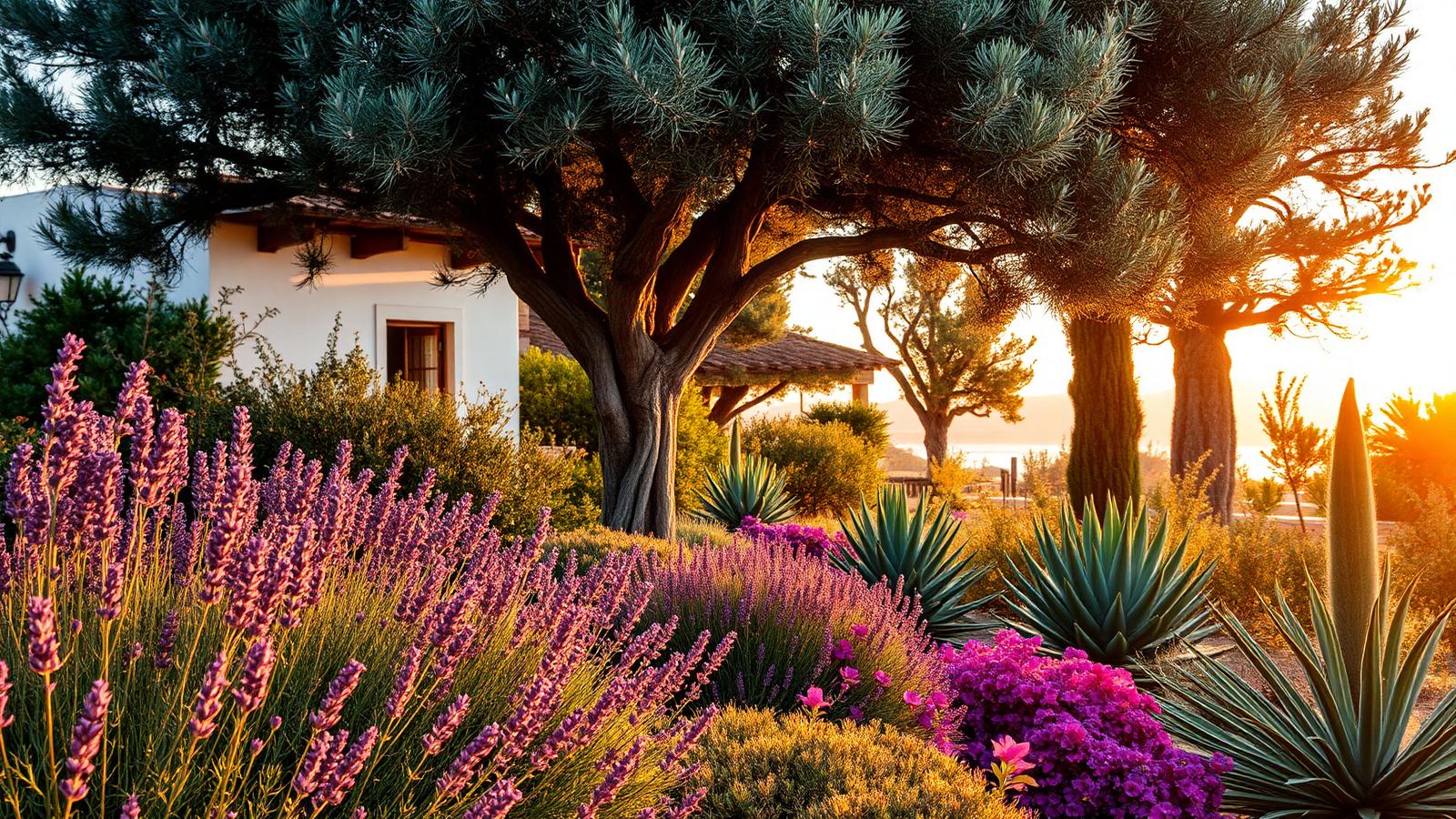
The best plants for Mediterranean gardens in Ibiza
Are you planning to create a garden in Ibiza and don't know which plants to choose? At ServiJuanito, with more than 20 years creating gardens throughout the island, we share our definitive guide to plants that best adapt to the Ibizan Mediterranean climate.
Read more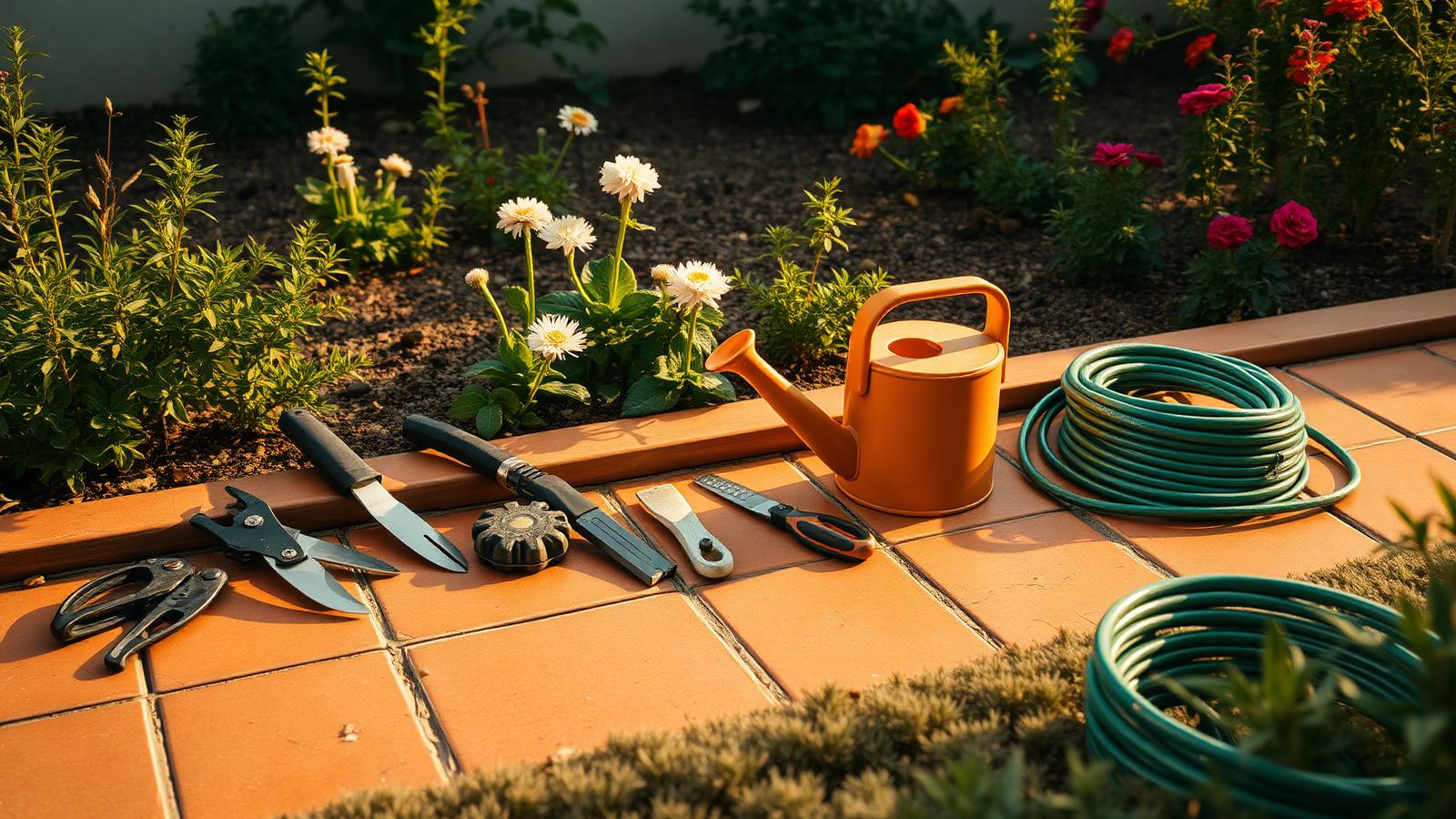
Summer garden maintenance: Tips for Ibiza
Summer in Ibiza can be challenging for our gardens. With temperatures exceeding 35°C and scarce rainfall, it's essential to know the correct maintenance techniques. At ServiJuanito, after 20 years caring for gardens throughout the island, we share our professional secrets.
Read more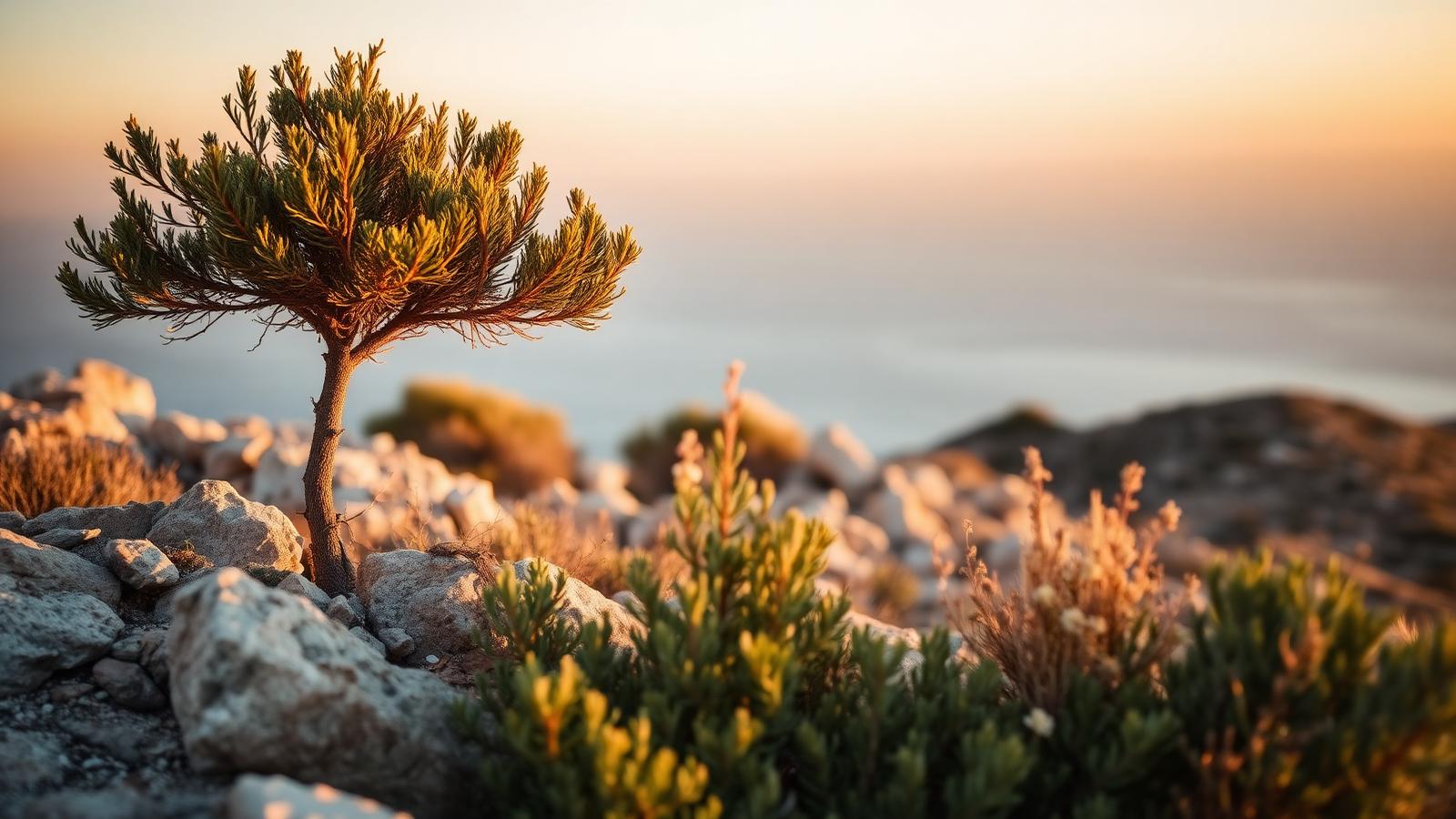
The best native plants for your Ibizan garden
Discover which local flora species are ideal for creating a sustainable garden adapted to the Mediterranean climate that requires less water and maintenance. Native plants are not only more resistant to local conditions, but also promote local biodiversity.
Read more