
Wind is one of the most decisive factors when planning gardens on the island. Designing wind-resistant gardens in Ibiza is not just an aesthetic choice but a real necessity to protect plants, structures, and long-term landscaping investments. Coastal and elevated areas are particularly exposed to strong gusts, so proper planning from the start makes all the difference.
At ServiJuanito we have been designing and maintaining gardens on the island since 2003, and we know that wind combined with sea salt can seriously damage unsuitable vegetation. That is why choosing the right species and garden structure is essential.
Why wind-resistant gardens in Ibiza matter
Ibiza combines a warm Mediterranean climate with intense wind patterns, especially in autumn and winter. Without proper planning, wind can damage branches, dry out soil, and slow plant growth. A well-designed garden acts as a natural barrier, protecting both vegetation and outdoor living areas in villas and hotels.
Near the sea, the salt carried by the air worsens the problem, burning the leaves of sensitive species. A poorly planned garden facing the wind ends up requiring more maintenance, more watering and frequent plant replacement; a well-thought design saves time, water and money in the long run.
Effects of wind on the garden
- Faster dehydration of plants and lawns.
- Broken branches and weak stems.
- Soil erosion in exposed areas.
- Leaf burn from salt on the front coastal line.
- Reduced pollination during certain seasons.
Best plants for a wind-resistant garden in Ibiza
Choosing the right species is essential. At ServiJuanito we recommend prioritizing native or well-adapted Mediterranean plants with deep roots and flexible foliage.
Recommended species
- Aleppo pine, common in Ibiza's natural landscape.
- Junipers, typical of the Ibizan landscape.
- Oleanders, highly resistant to salt and wind.
- Mastic tree, a particularly resistant native shrub.
- Palmetto, the only palm native to the Balearic Islands.
- Creeping rosemary and lavender as low ground cover.
- Coastal tamarisks, common in front-line areas.
Windbreak hedges and vegetal barriers
Dense hedges act as natural windbreaks. Strategically placed, they reduce wind speed before it reaches the most delicate areas of the garden, such as flower beds, seating areas or pool zones.
Tips for an effective barrier
- Combine heights: low shrubs alongside medium-sized trees.
- Avoid completely solid barriers, which create turbulence.
- Maintain regular pruning to preserve proper density.
Design techniques to protect your garden from wind
Beyond plant selection, overall layout matters greatly. Placing sheltered seating areas, correctly orienting pergolas, and using terrain differences helps minimize wind impact on daily outdoor use.
Recommended elements and techniques
- Plant in groups rather than isolated, so plants protect each other.
- Low walls, gabions or green fences as a first line of defence.
- Place delicate species in sheltered areas, near the house or established hedges.
- Stagger plant heights, from lower to taller, creating a gradual transition.
- Shaded zones protected from prevailing winds.
Proper irrigation and soil
A good irrigation system helps compensate for the moisture loss caused by wind. Additionally, well-drained soil with good retention capacity prevents water stress in the most exposed plants.
Ongoing maintenance for wind-resistant gardens
Even the best plant selection cannot replace consistent professional maintenance. Checking soil condition, reinforcing irrigation after strong wind events, securing stakes on young trees and performing formative pruning are essential tasks to keep a healthy garden in Ibiza.
In holiday rental villas or residential communities this maintenance is even more important, as the garden is part of the first impression guests and residents receive.
Trust professionals for your garden in Ibiza
Designing and maintaining wind-resistant gardens in Ibiza requires local experience and knowledge of the Mediterranean climate. At ServiJuanito we work with villas, hotels and communities across the island, adapting each project to its specific exposure, soil and orientation conditions.
Frequently Asked Questions
Which plants best resist wind in Ibiza?
Native species such as Aleppo pine, junipers, mastic tree, palmetto, oleanders and rosemary adapt best to the island's wind conditions and coastal salinity.
Do I need a professional gardener to design a wind-resistant garden?
Yes. A professional evaluates orientation, terrain, and the most suitable species to achieve an effective, long-lasting design.
How long does it take for a wind-resistant garden to establish?
Generally between one and two years, depending on the initial plant size and the care received, especially during the first months after planting.
How does sea salt affect garden plants?
Salt carried by the air burns the foliage of sensitive species and worsens the drying effect of wind. On the front coastal line it is best to use tolerant species such as oleander, tamarisk or mastic tree.
Related articles
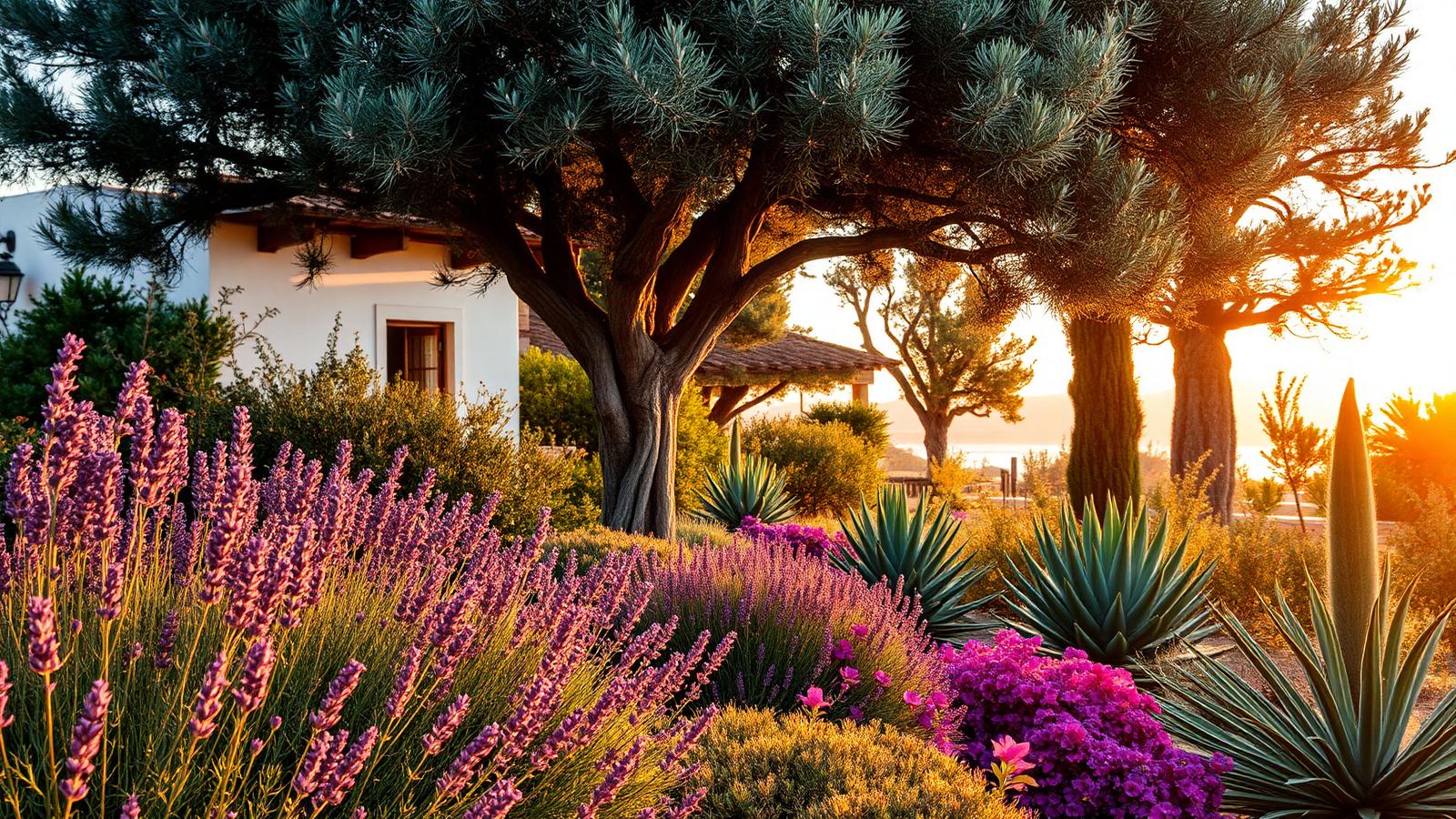
The best plants for Mediterranean gardens in Ibiza
Are you planning to create a garden in Ibiza and don't know which plants to choose? At ServiJuanito, with more than 20 years creating gardens throughout the island, we share our definitive guide to plants that best adapt to the Ibizan Mediterranean climate.
Read more
Summer garden maintenance: Tips for Ibiza
Summer in Ibiza can be challenging for our gardens. With temperatures exceeding 35°C and scarce rainfall, it's essential to know the correct maintenance techniques. At ServiJuanito, after 20 years caring for gardens throughout the island, we share our professional secrets.
Read more
The best native plants for your Ibizan garden
Discover which local flora species are ideal for creating a sustainable garden adapted to the Mediterranean climate that requires less water and maintenance. Native plants are not only more resistant to local conditions, but also promote local biodiversity.
Read more